


Bending and rolling are common processes for shaping S355J2W Corten steel into structural components and architectural forms. While its workability is good, its unique weathering properties require specific considerations to ensure the final product performs and looks as intended. The key is to protect its ability to form a uniform, protective rust layer.
S355J2W (with a "5"), as defined by EN 10025-5. The considerations below apply to this standard weathering steel grade.
The goal is to achieve the desired shape without compromising the steel's long-term corrosion resistance or aesthetic potential. The primary risks are .
1. Preserve a Clean, Uncontaminated Surface
The most critical rule. The protective patina forms from the base metal itself. Any foreign material pressed into the surface during bending will cause permanent, unsightly stains and disrupt corrosion resistance.
: Thoroughly clean all forming tools (dies, rolls, press brakes) before use. Ensure they are free of oil, grease, and-most importantly-. Dedicated tooling for weathering steel is ideal.
2. Follow Recommended Minimum Bend Radii
Bending too tightly can cause cracking on the outer radius, creating a focal point for accelerated corrosion.
2 to 3 times the material thickness (t) for cold bending. For example, a 10 mm plate should have a minimum inside radius of 20-30 mm.
is generally more forgiving and allows for tighter radii than bending parallel to it.
3. Sequence the Work: Form First, Weather Later
the steel begins its natural weathering process.
: If you form a piece that already has a developed patina, the patina will crack and flake at the bend. The exposed fresh metal will weather at a different rate, leaving a permanent, visible line on the finished product.
4. Manage the Patina Post-Forming
After forming, the steel is ready to develop its protective layer.
: The best result often comes from letting the steel weather naturally on-site over 12-24 months, evolving from orange to the stable reddish-brown.
: If a controlled, uniform color is needed quickly (e.g., for architectural panels), consider factory-controlled pre-patinating after all fabrication is complete.

| 1. Planning | Confirm bend radii with the steel supplier or a structural engineer. | Prevents cracking and material failure. |
| 2. Tool Preparation | Meticulously clean all forming tools with a degreaser. | Prevents contamination that ruins the patina. |
| 3. Fabrication Sequence | Perform all bending, cutting, and welding on clean, mill-finish steel. | Ensures a uniform final weathering appearance. |
| 4. Inspection | Check the outer radius of bends for any micro-cracking. | Identifies potential failure points early. |
| 5. Patina Development | Let the finished product weather naturally or apply a controlled patination process. | Achieves the desired protective and aesthetic finish. |
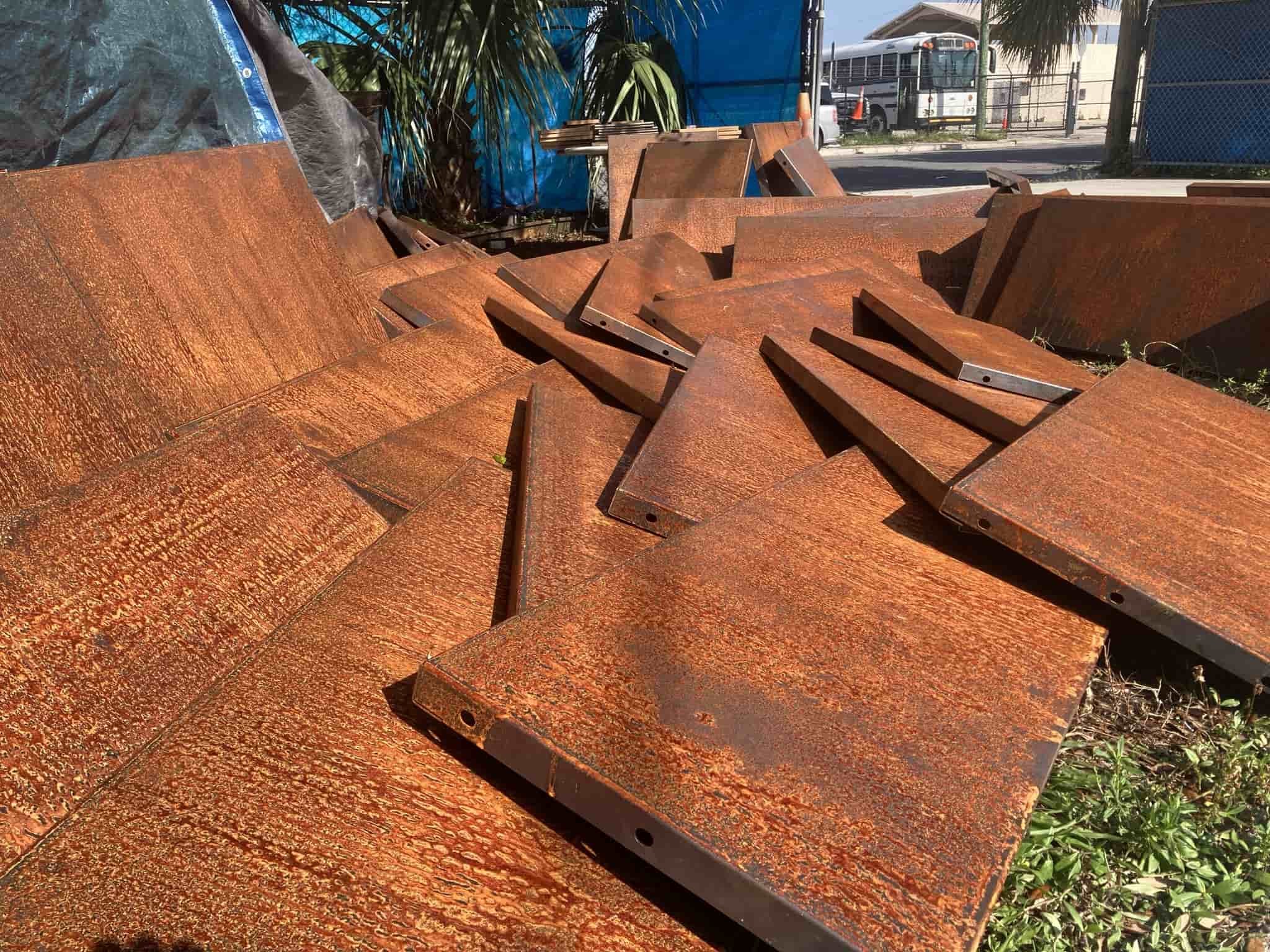
By prioritizing a clean workflow and respecting the material's forming limits, you can successfully fabricate S355J2W Corten steel components that are both structurally sound and visually consistent for decades.


